Hello everyone!
We are here with the third issue of our journal!
The main theme of our third issue is “Language and Culture.”
read more
Hello everyone!
We are here with the third issue of our journal!
The main theme of our third issue is “Language and Culture.”
read more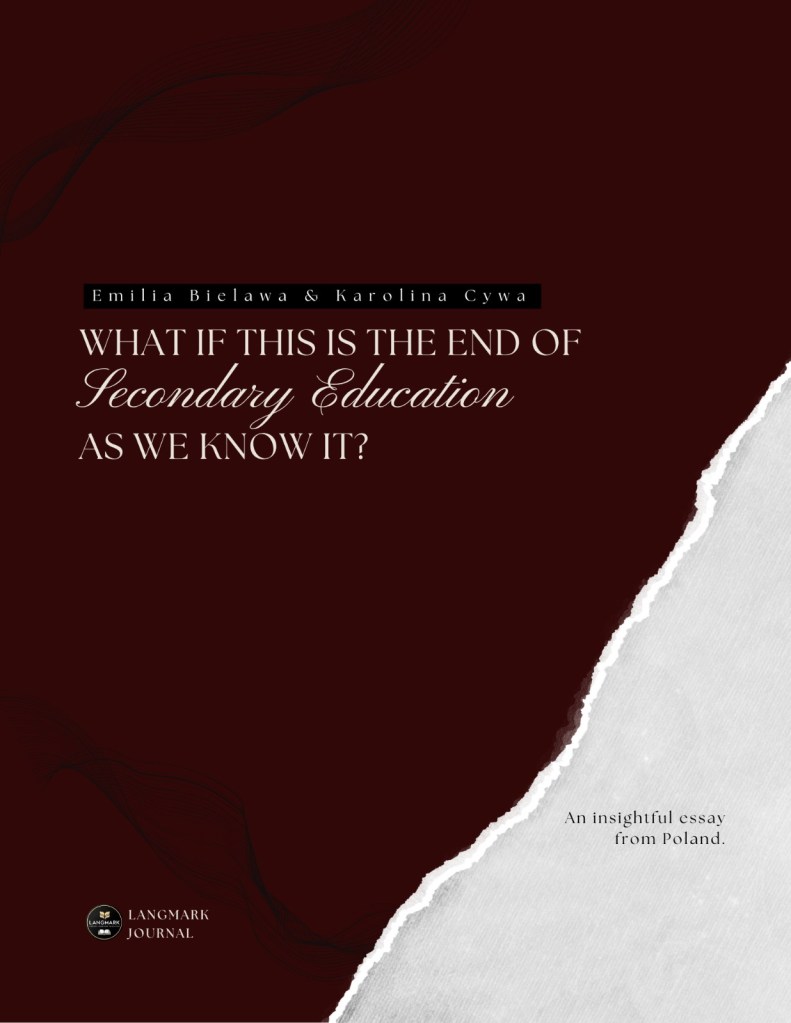
LangMark welcomes its first international essay! An insightful essay from Poland that explores what secondary education could and should be in a world that is constantly changing.
read more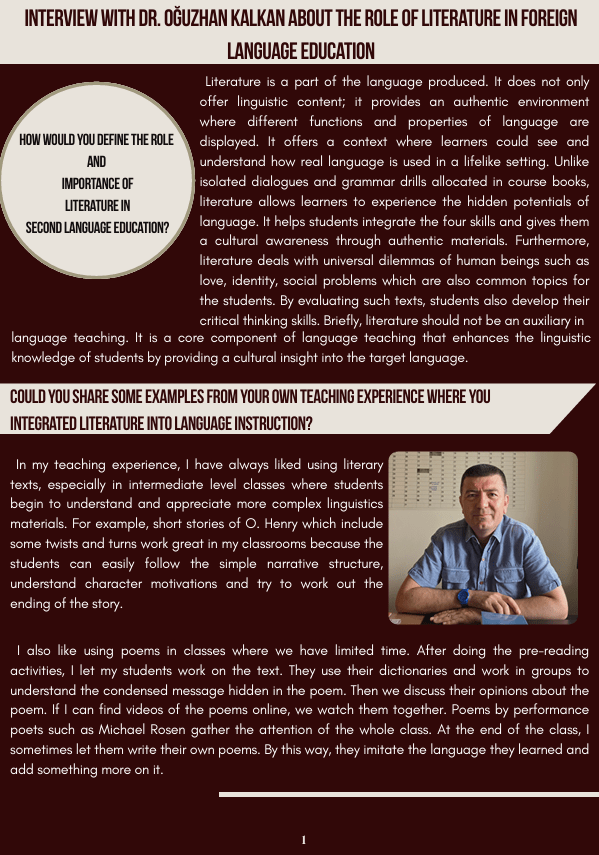
In this in-depth interview, Dr. Oğuzhan Kalkan shares valuable insights on how literature can transform second language education, not just by teaching vocabulary, but by shaping empathy, critical thinking, and cultural competence.
read more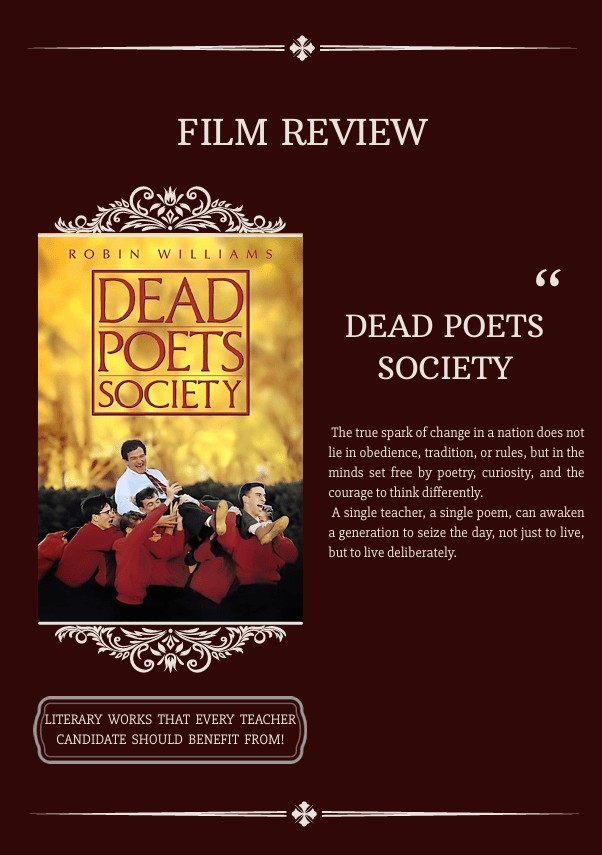
Is it possible to teach differently without crossing a line? This review of Dead Poets Society revisits the film not just as a classic, but as a case study in education, exploring passion, pedagogy, and the emotional risks of inspiring students to think for themselves.
read more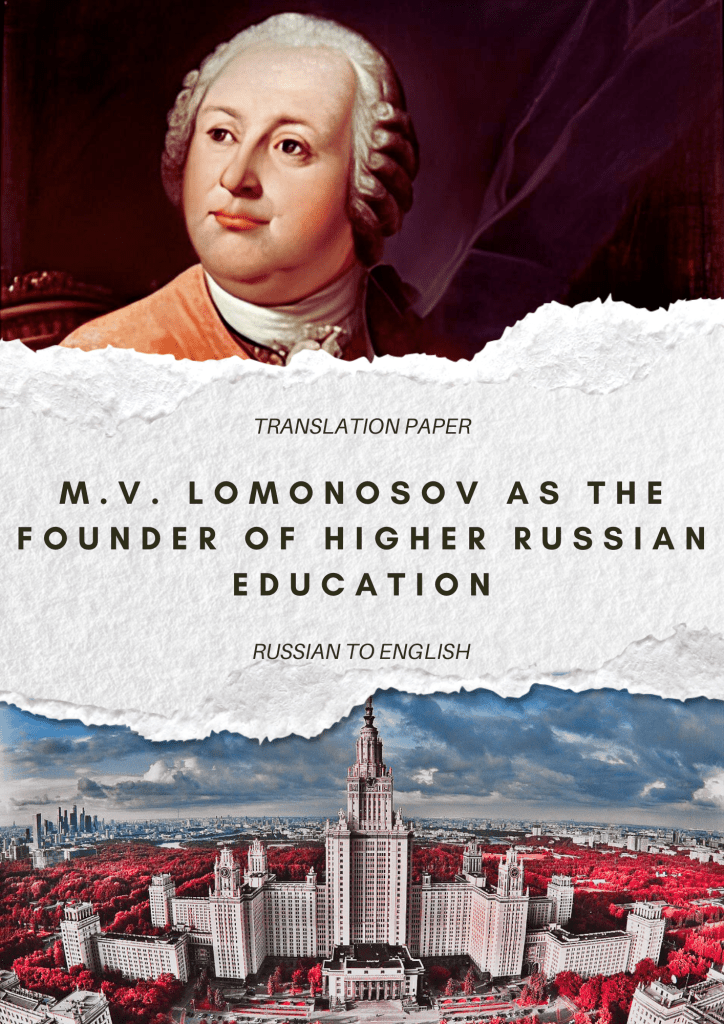
What does it take to build a university in a society rooted in class, privilege, and tradition? This translation explores M.V. Lomonosov’s radical vision for higher education in 18th century Russia, one that centers science, accessibility, and national identity. It’s not just a look at the past, but a reflection on what inclusive education should mean today.
read more
We are beyond excited to share with you the second issue of LangMark, and this one feels extra special.
Read more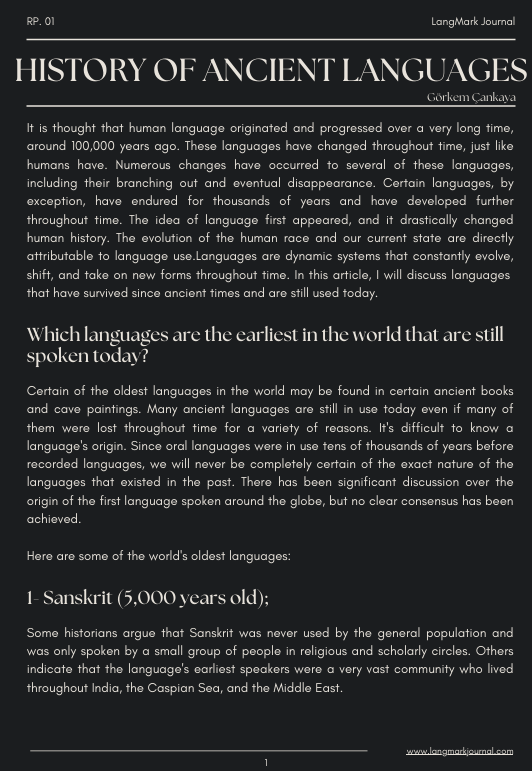
Exploring the journey of some of the world’s oldest living languages, from Sanskrit and Tamil to Greek and Hebrew, and how they’ve managed to survive through centuries of change. These languages are more than just means of communication; they are living pieces of human history.
read more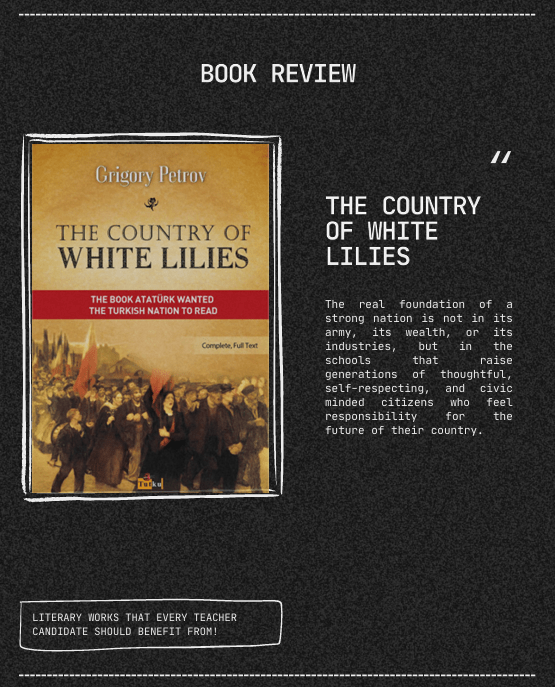
What if the foundation of a nation wasn’t built on armies or riches, but on books, teachers, and classrooms? The Country of White Lilies paints a powerful picture of how education transformed Finland from a struggling society into a strong, enlightened nation. Through the inspiring ideas of figures like Johan Vilhelm Snellman, the book shows that real change begins not in politics, but in the minds of its people.
read more
Group work in language learning is more than just sharing tasks, it’s about sharing ideas, building confidence, and learning from each other. Especially in learning French as a Foreign Language (FLE), working together can turn the classroom into a space of real communication and collaboration. To see how these ideas come to life in practice, take a look at a French to English translation by a student from Uludağ University, offering a closer perspective on group work in FLE classrooms.
read moreHave you ever wondered how a poem, a short story, or even a classic novel can open doors to deeper language learning? We are excited to announce that the theme of our upcoming issue will be: “Literature and Language Education: Exploring the Intersections.”
read more LangMark